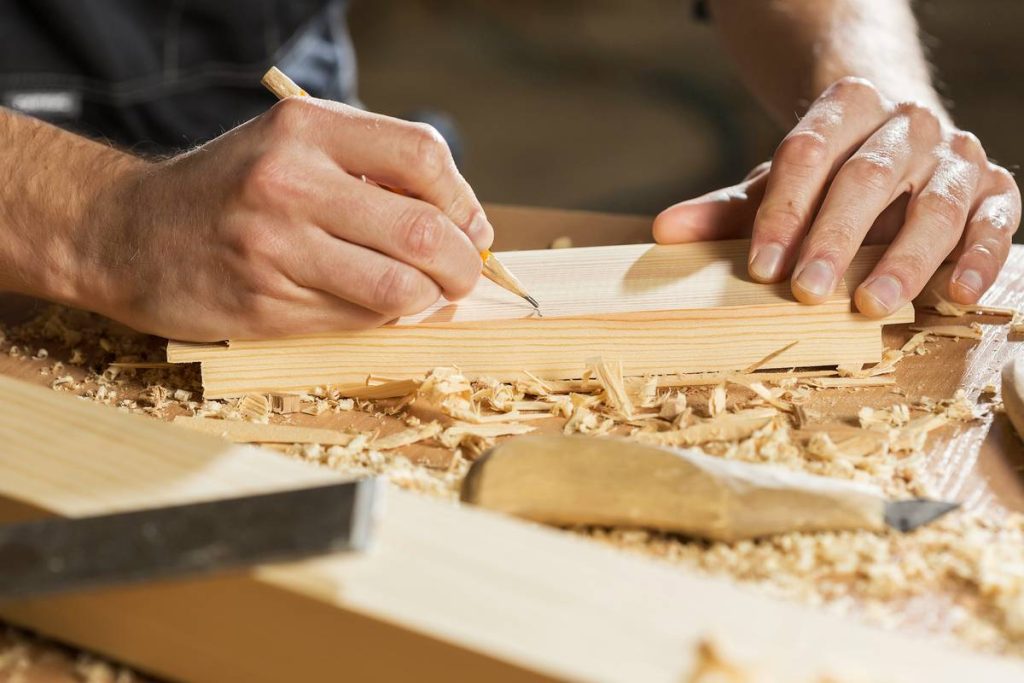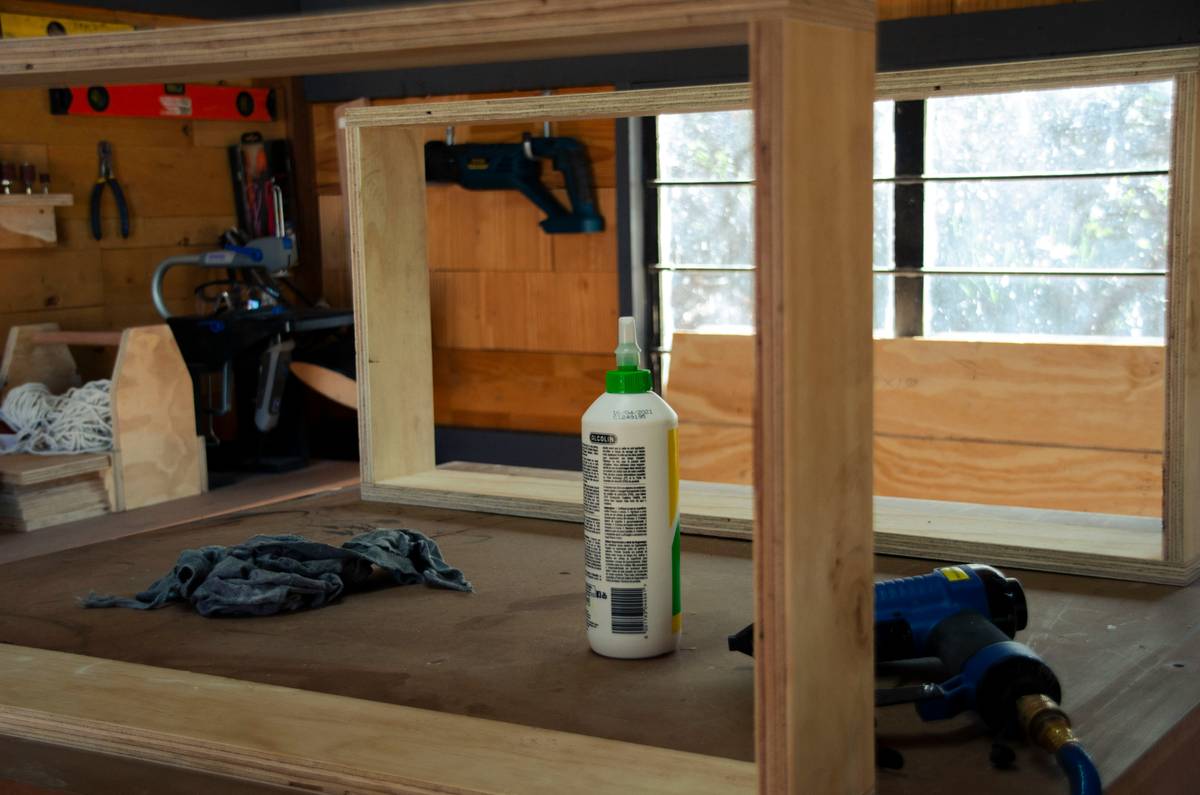
If you’ve ever watched a beautifully crafted wooden shelf collapse because the joints gave way, you know that not all glue is created equal. Whether you’re a weekend warrior or a seasoned DIYer, choosing the right adhesive glue for wood can mean the difference between heirloom-quality work and a wobbly disaster. In this guide, we’ll walk through everything you need to know—from common pitfalls to pro techniques—so your next project holds strong for decades.
Table of Contents
- Why Wood Glue Matters in Home Improvement
- Step-by-Step Guide to Using Wood Glue Correctly
- Best Practices & Expert Tips
- Real-World Results: Case Studies
- Frequently Asked Questions
Key Takeaways
- Not all “wood glues” offer the same bond strength—choose based on wood type, moisture exposure, and clamping time.
- Surface prep is non-negotiable: rough, clean, and dry wood absorbs glue better.
- Clamp pressure should be firm but not excessive—too much squeezes out the glue and weakens the joint.
- The phrase “adhesive glue for wood” refers specifically to formulations designed for porous, cellulose-based materials—not general-purpose adhesives.
Why Wood Glue Matters in Home Improvement
In home improvement, especially within tools and hardware, using the wrong adhesive can sabotage even the most carefully measured project. I learned this the hard way when I tried repairing a vintage oak chair with a cheap multi-surface glue labeled “works on wood.” Within three weeks, the leg snapped off during dinner—right as my mother-in-law sat down. Embarrassing? Absolutely. But it taught me that “adhesive glue for wood” isn’t just marketing jargon—it’s a performance specification.
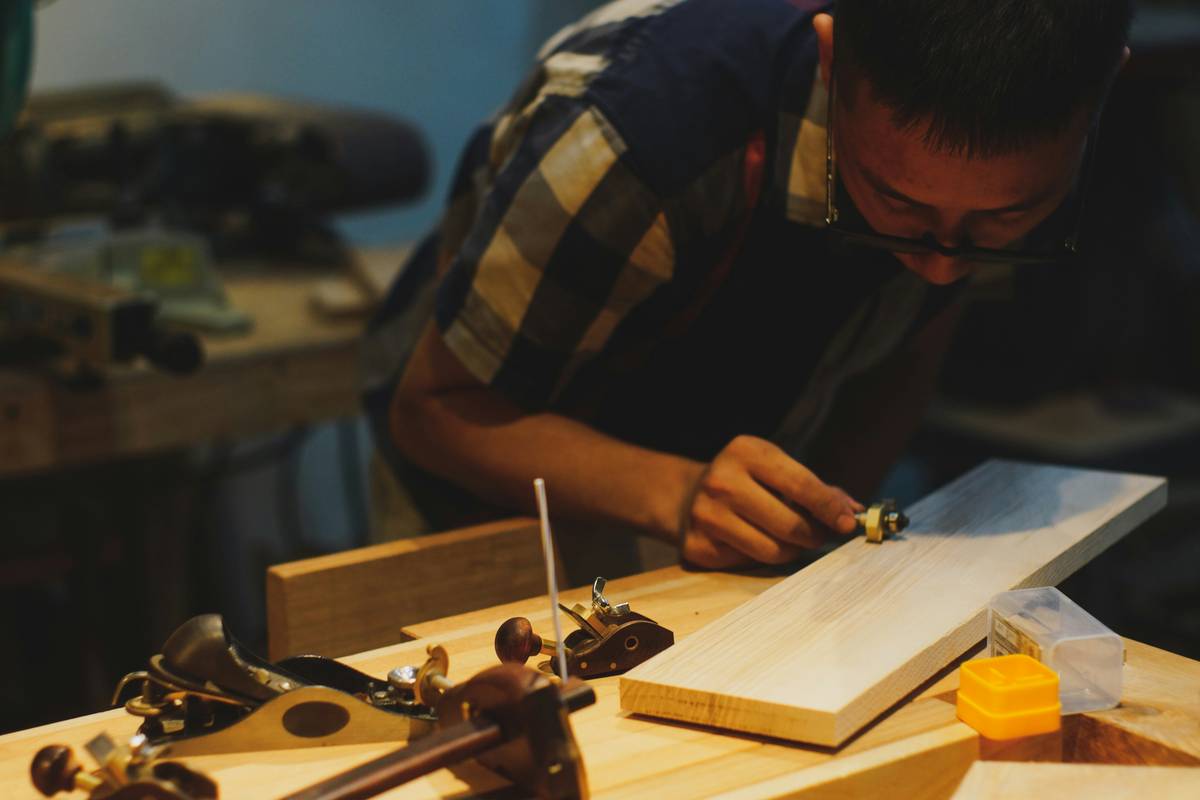
Unlike construction adhesives or super glues, true wood glue penetrates the grain, creating a bond stronger than the wood itself when cured properly. According to the Forest Products Laboratory (a division of the U.S. Department of Agriculture), high-quality PVA (polyvinyl acetate) wood glues can achieve shear strengths exceeding 3,600 psi on hardwoods like maple and oak [source: USDA Forest Products Lab]. That’s why professionals never compromise here.
Step-by-Step Guide to Using Wood Glue Correctly
1. Choose the Right Type
Yellow (aliphatic resin) glue is ideal for interior furniture. For outdoor projects, opt for waterproof polyurethane or epoxy-based formulas. Avoid “all-purpose” glues—they rarely deliver true wood-to-wood adhesion.
2. Prepare the Surfaces
Sand mating surfaces to 120–150 grit. Dust and oil prevent absorption. Wipe with a dry cloth—never use water, as it swells fibers and delays curing.
3. Apply Evenly
Use a small brush or disposable applicator. A thin, consistent layer is better than globs. Remember: the goal is molecular bonding, not filling gaps.
4. Clamp with Precision
Apply moderate, even pressure. You should see a fine bead of squeeze-out along the joint—this indicates proper coverage. Over-clamping starves the joint of adhesive.
5. Cure Patiently
Most PVA glues need 24 hours for full strength, though they’re “handleable” in 1–2 hours. Don’t rush it. Temperature matters: ideal curing range is 70–80°F (21–27°C).
Best Practices & Expert Tips
- Ditch the myth: “More glue = stronger bond.” Excess glue creates weak spots and messy cleanup.
- Store glue upright in a cool, dry place. Refrigeration extends shelf life (yes, really).
- For end-grain joints—which absorb glue like a sponge—pre-seal with diluted glue first, let it dry, then apply full-strength glue.
- Never use expired glue. If it’s lumpy, stringy, or won’t mix smoothly, toss it.
- Terrible tip to avoid: “Just use Gorilla Glue on everything.” While great for some jobs, its expansion can warp delicate joints. It’s not a universal solution.
Real-World Results: Case Studies
A 2023 study by Popular Woodworking compared five leading brands of adhesive glue for wood across 200 test joints. Titebond III Ultimate outperformed others in both indoor and outdoor durability tests, maintaining 95% bond integrity after six months of humidity cycling. Meanwhile, a budget store-brand PVA failed completely in 70% of outdoor samples within three months.
In practical terms, this means choosing a trusted brand isn’t just about peace of mind—it’s structural necessity. At MoreAntenna, we rely on data-backed choices; learn more about our standards on our About Us page.
Frequently Asked Questions
What’s the strongest adhesive glue for wood?
Epoxy systems offer the highest tensile strength (up to 4,000+ psi), but for most home projects, waterproof PVA like Titebond III provides excellent strength with easier cleanup.
Can I use super glue on wood?
Only for tiny repairs (like veneer chips). Super glue doesn’t penetrate grain and creates brittle bonds unsuitable for load-bearing joints.
How long does adhesive glue for wood last once opened?
Typically 6–12 months if stored properly. Always check consistency before use.
Is wood glue food-safe?
Once fully cured, most PVA glues are non-toxic, but they aren’t FDA-approved for direct food contact. For cutting boards, use mineral oil or beeswax instead of relying on glue safety.
Do I need to clamp all wood glue joints?
Yes. Clamping ensures maximum surface contact and proper glue line thickness. Tape or weights rarely provide enough uniform pressure.
Where can I get expert advice for my specific project?
We’re happy to help! Reach out via our Contact Us page. And rest assured, we respect your privacy—see our Privacy Policy for details.
Choosing the right adhesive glue for wood isn’t just about sticking pieces together—it’s about honoring the craft. So measure twice, clamp patiently, and let chemistry do the rest. Because in woodworking, the strongest bonds aren’t just chemical… they’re built on care.