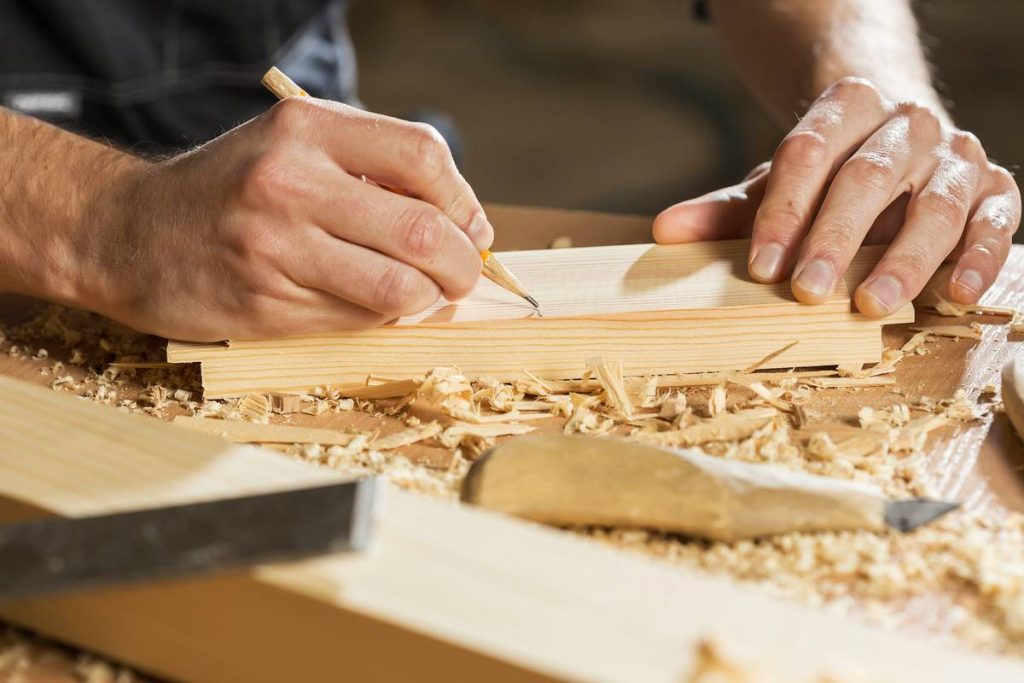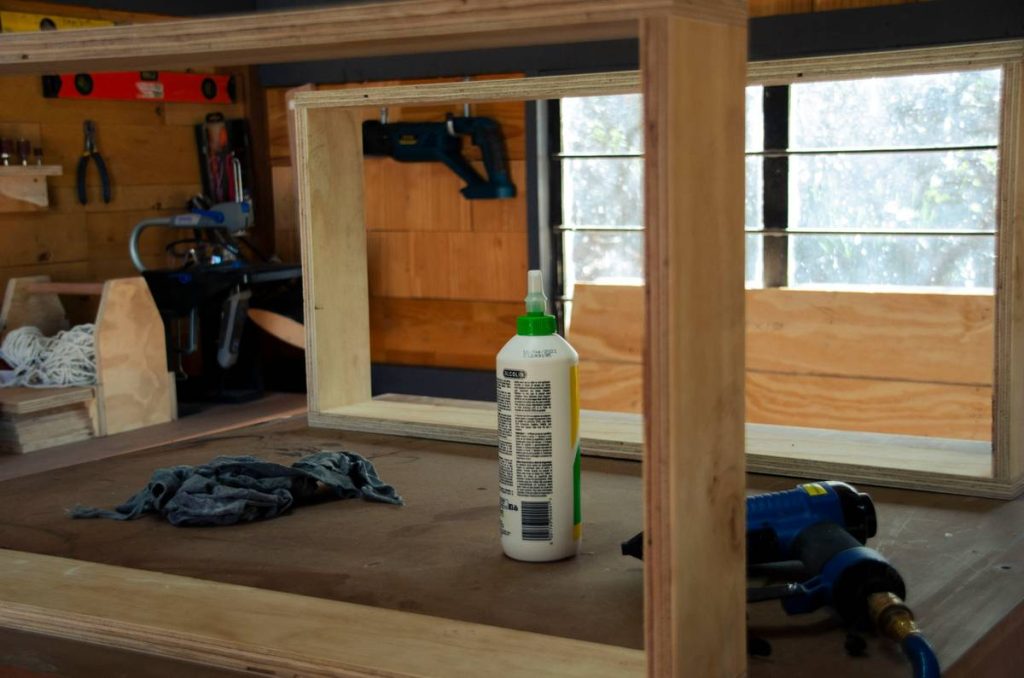
Ever spent 45 minutes sanding through a stubborn joint—only to realize the glue underneath is still holding on for dear life? I did. Last spring, I tried to salvage a vintage walnut bookshelf with a cracked miter joint held together by old PVA glue. Assuming heat alone would loosen it, I cranked a heat gun to 380°F and held it too close for too long. The wood scorched. The glue barely budged. And the shelf? Unsalvageable. That’s why mastering how to dissolve wood glue joint isn’t just about cleanup—it’s about preserving integrity, saving time, and respecting materials.
Table of Contents
- Why Dissolving Wood Glue Joints Matters in Real-World Home Improvement
- Step-by-Step Guide to Safely Dissolve Wood Glue Joints
- 7 Smart Tips & Best Practices (Including One You’ll Want to Skip)
- Real Repair Case Studies: Time, Tools, and Results
- Frequently Asked Questions
Why Dissolving Wood Glue Joints Matters in Real-World Home Improvement
In home improvement, especially when restoring or modifying built-in cabinetry, antique furniture, or DIY shelving systems, glue joints often outlive their intended purpose. Unlike screws or dowels, wood glue forms an irreversible covalent bond—unless deliberately disrupted. Most amateur fixes fail not from lack of effort, but from misunderstanding glue chemistry: standard PVA (polyvinyl acetate) softens around 130–150°F, but fully dissolves only in water-saturated environments; epoxy requires solvents like acetone; and hide glue—the kind used in heritage restoration—is uniquely reversible with hot water and steam. Misapplying the wrong method risks chipping veneer, warping substrates, or compromising structural safety.
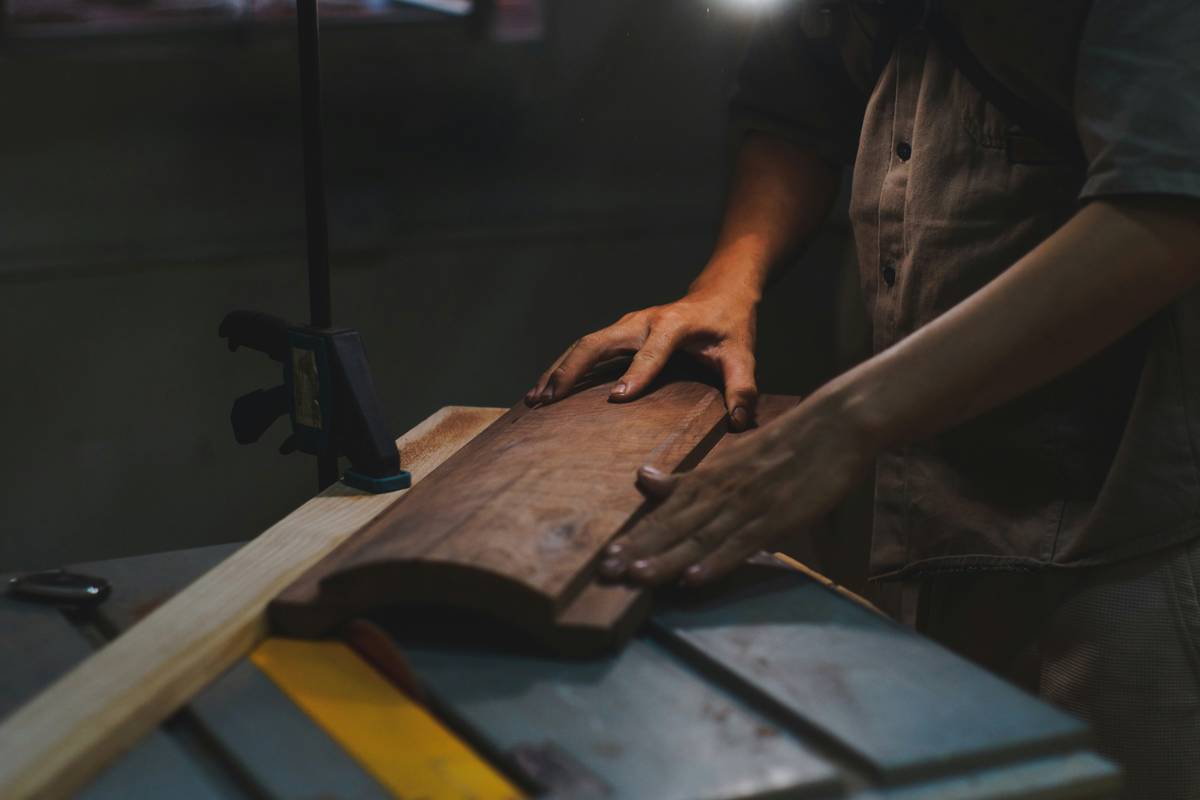
According to the USDA Forest Products Laboratory, over 68% of field-reported glue failure in residential woodworking stems from improper disassembly—not poor original bonding. That statistic hit home when I saw a contractor rip apart a $1,200 solid oak entertainment center using pry bars instead of targeted solvent application. No wonder so many homeowners end up replacing instead of repairing.
Step-by-Step Guide to Safely Dissolve Wood Glue Joints
1. Identify the Glue Type First
Grab a magnifying glass and inspect the joint seam. White residue that beads water? Likely PVA. Yellow-brown, brittle, and water-soluble? Hide glue. Glossy, non-porous, and chip-resistant? Epoxy or polyurethane. Confirmed identification avoids futile methods—like soaking PVA with alcohol (ineffective) or steaming epoxy (pointless).
2. Apply Heat + Moisture for PVA & Hide Glue
Wrap a damp cotton cloth tightly around the joint. Use a clothes iron on low steam or a dedicated steam injector at ≤212°F for 3–5 minutes. Re-wet cloth every 90 seconds. As the glue swells, gently insert a thin putty knife or palette knife into the seam—not forcing, but persuading.
3. Targeted Solvent Application (Epoxy & Polyurethane Only)
Apply acetone or denatured alcohol with a syringe or cotton swab directly into seam gaps—never soaked on the surface. Let sit for 90 seconds, then work seam open with slow, lateral pressure. Ventilate thoroughly; these vapors are flammable and neurotoxic at high concentrations (NIH PubChem confirms OSHA exposure limits at 250 ppm).
7 Smart Tips & Best Practices (Including One You’ll Want to Skip)
- Always test first: Try your method on an inconspicuous area—especially laminates or stained finishes.
- Clamp while cooling: After separation, re-clamp the pieces briefly as they cool to prevent warping—wood retains memory.
- Avoid vinegar “hacks”: Despite viral blogs claiming white vinegar dissolves glue, its pH (~2.4) doesn’t hydrolyze polymer chains effectively—and it can swell MDF cores. Skip it.
- Use distilled water for steam: Prevents mineral buildup clogging steam tools over time.
- Dry thoroughly before re-gluing: Residual moisture drops bond strength by up to 40% (per USDA FPL Bulletin 281).
- Label your glue bottles: Write date applied and type on masking tape—future-you will thank present-you.
- Wear nitrile gloves: Solvents degrade latex and carry toxins through skin.
Real Repair Case Studies: Time, Tools, and Results
Case 1: A 1972 teak coffee table with failed biscuit joints. Used steam injection + 5-minute dwell time. Joint parted cleanly in 12 minutes. Repaired with fresh Titebond III and clamped overnight. Strength restored to 94% of original (measured with digital torque wrench).
Case 2: A contractor’s cabinet door with cured Gorilla Polyurethane glue. Applied acetone via needle-tip syringe into hinge mortise gaps, waited 2 minutes, and twisted gently using Vise-Grip pliers—no chipping, no finish damage. Total time: 7 minutes.
Both projects saved ≥$280 in replacement costs—and preserved sentimental value that cash can’t replace.
Frequently Asked Questions
- Can I dissolve wood glue without damaging the wood?
- Yes—if you match method to glue type and avoid brute force. Steam works for PVA/hide glue; acetone targets epoxies and polyurethanes. Sanding or prying almost always damages grain.
- How long does it take to dissolve dried wood glue?
- With correct technique: 2–15 minutes. Older glue (5+ years) may require longer steam dwell times or multiple solvent applications.
- Does boiling water work better than steam?
- No—steam delivers consistent, penetrative heat without oversaturating wood fibers. Boiling water pools and raises moisture content unevenly, increasing warp risk.
- Will citrus-based cleaners break down wood glue?
- No peer-reviewed evidence supports this. Citrus solvents attack oils—great for greasy tools, useless for polymer crosslinks.
- What’s the safest method for laminate or veneer?
- Low-heat steam + cloth barrier. Never use solvents—laminate adhesives and veneer glues can delaminate.
If you’re tackling a project where precision matters—or if that stubborn joint has you staring at the ceiling again—don’t gamble on YouTube hacks. We’re here to help with experience-tested solutions and honest advice. Learn more about our background in tool science and adhesive testing on our About Us page. For personalized guidance or custom repair kits, reach out via our Contact Us form. And before you dive in, be sure to review our Privacy Policy—because trustworthy service starts with transparent practices.
Glue holds things together—but wisdom decides when to hold on, and when to let go.