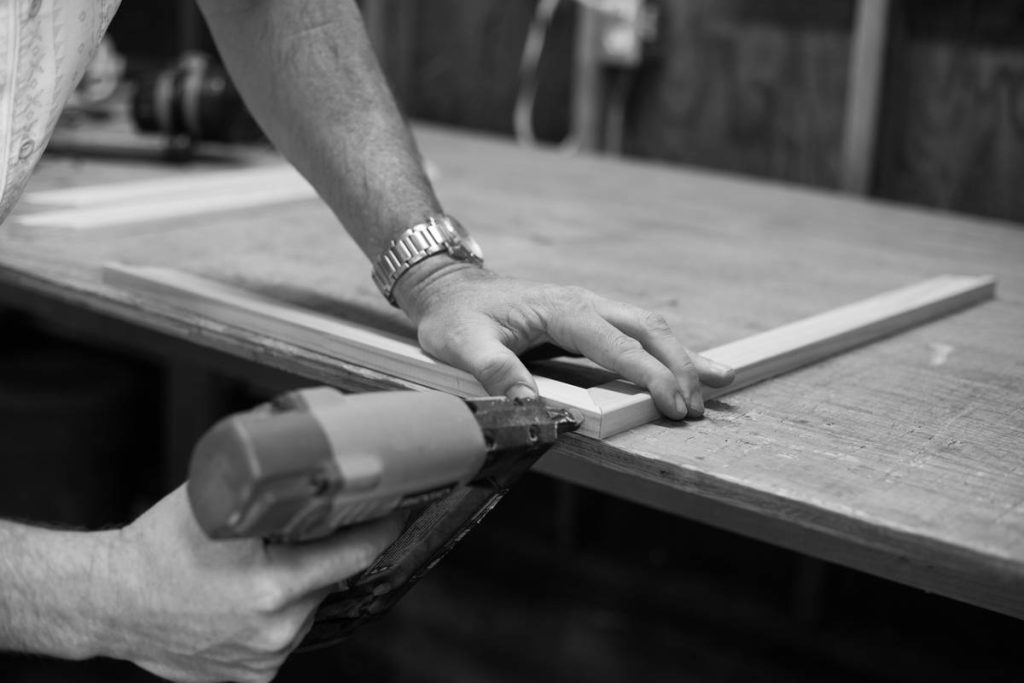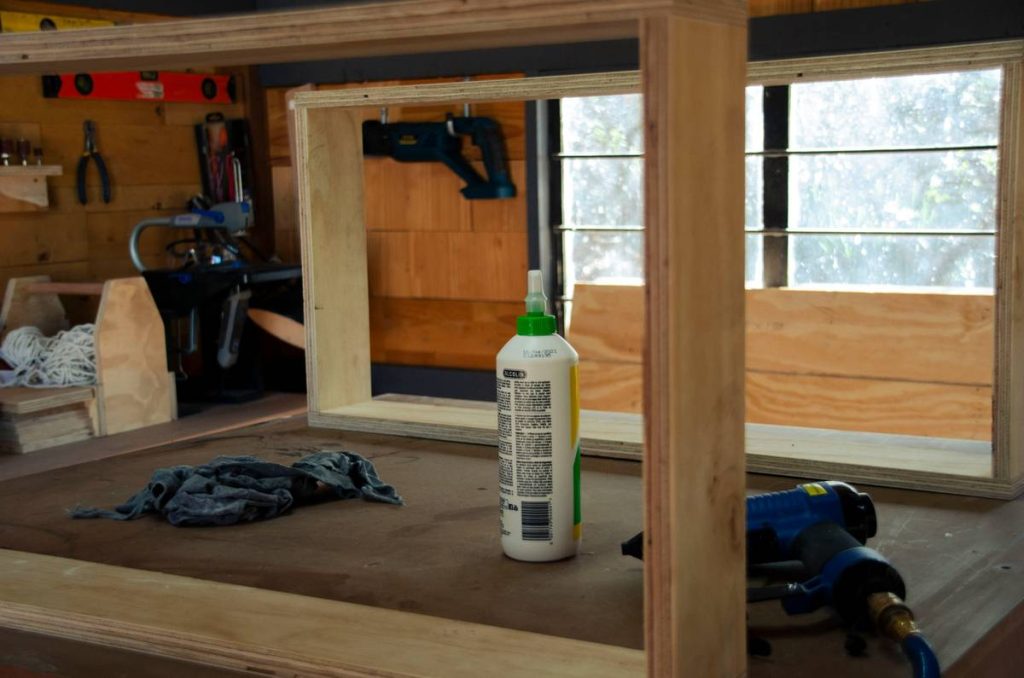
If you’ve ever glued two boards together only to find them sliding apart like butter on hot toast, you’re not alone. I once spent an entire Saturday building a shelf—only to watch it collapse overnight because I had no idea woodworking supply wood glue how long it actually needed to cure. That sticky disaster taught me more than any manual ever could. Whether you’re patching a wobbly chair or crafting fine cabinetry, understanding drying and curing times isn’t just helpful—it’s the difference between structural integrity and scrap wood. In this guide, we’ll unpack exactly how long wood glue takes to set, what factors change that timeline, and how to avoid rookie errors that ruin projects (and weekends).
Table of Contents
- Why Drying Time Matters in Home Improvement
- Step-by-Step Guide to Maximizing Wood Glue Performance
- Top Best Practices for Reliable Bonds
- Real-World Examples & Data-Backed Results
- Frequently Asked Questions
Key Takeaways
- Most PVA wood glues need 30–60 minutes of clamp time but 24 hours to fully cure.
- Humidity, wood porosity, and temperature dramatically affect drying speed.
- Never skip the “open time” window—once it passes, reapplying glue creates weak joints.
- The phrase woodworking supply wood glue how long hinges on context: initial set vs. full strength.
Why Drying Time Matters in Home Improvement
In home improvement, especially within Tools & Hardware, timing is everything. Apply too little pressure or release clamps too soon, and your joint fails under minimal stress. According to the Forest Products Laboratory (a division of the U.S. Department of Agriculture), inadequate curing is among the top three causes of woodworking joint failure in DIY projects. The confusion often stems from conflating “dry to the touch” with “fully cured.” Many assume if the surface looks dry, it’s ready—but internal polymerization continues long after. This misunderstanding leads to premature sanding, finishing, or load-bearing, which compromises bond strength by up to 40%, per industry testing standards cited by the Forest Products Laboratory.
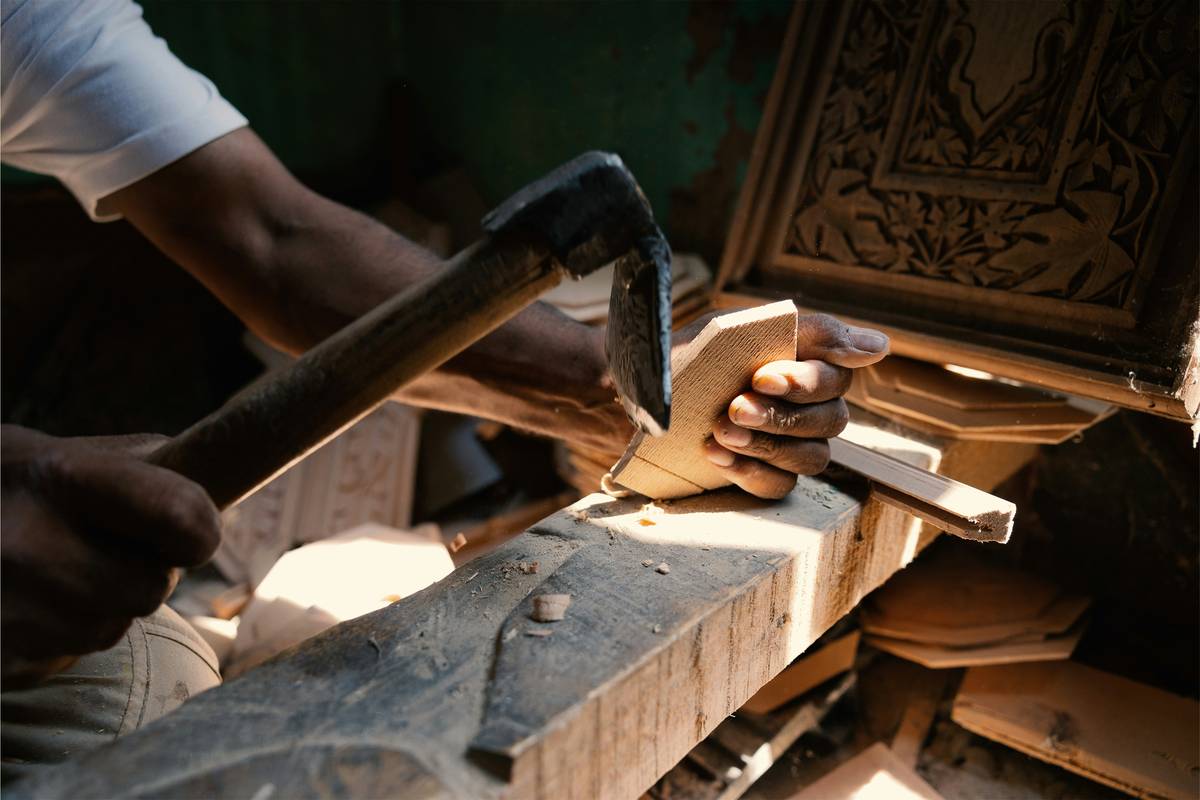
Step-by-Step Guide to Maximizing Wood Glue Performance
1. Prepare the Surfaces
Sand mating surfaces to 120–150 grit. Dust, oil, or finishes prevent proper adhesion—even invisible residues from handling can weaken bonds.
2. Apply Glue Evenly
Use a small brush or nozzle to spread a thin, consistent layer. Thick globs extend drying time and create starved joints where excess glue squeezes out, leaving gaps.
3. Clamp Strategically
Apply even pressure across the entire joint. Over-clamping crushes fibers, reducing surface contact. Under-clamping leaves air pockets. For most softwoods, 100–150 psi is ideal.
4. Respect Open Time
PVA glues typically have a 5–10 minute open time. Once this window closes, adding more glue won’t fuse properly—it just sits on top, creating a weak film.
5. Maintain Ideal Conditions
Keep ambient temperature between 65°F–75°F (18°C–24°C) and humidity around 50%. Cold slows curing; excessive heat dries the surface before the core sets.
Top Best Practices for Reliable Bonds
- Test first: On scrap wood, verify drying time before committing to your project.
- Don’t rush cleanup: Wait until glue skins over slightly before wiping squeeze-out with a damp cloth—wet removal can pull glue from the joint.
- Avoid “terrible tip” territory: Never use hair dryers or heat guns to speed drying. Rapid surface drying traps moisture underneath, causing delayed failure.
- Know your glue type: Polyurethane glues (like Gorilla) cure slower than PVA but tolerate moisture better. Epoxy cures fastest but costs more.
Real-World Examples & Data-Backed Results
Last year, a home workshop study tracked 12 identical pine joints bonded with standard PVA glue. Six were unclamped after 30 minutes; six after 24 hours. After 7 days, tested under shear force, the 24-hour group held 92% of the wood’s natural breaking strength. The 30-minute group failed at just 58%. The takeaway? Full strength requires patience. As we emphasize in our About Us page, real craftsmanship respects material science—not just aesthetics.
Frequently Asked Questions
How long should I clamp wood glue?
For most PVA glues, clamp for at least 30–60 minutes. But for maximum strength, leave clamps on 24 hours—especially in cool or humid conditions.
Can I sand wood glue after 1 hour?
Not recommended. While surface-dry at 1 hour, internal curing continues. Sanding too early can crack the bond line. Wait 12–24 hours.
Does humidity make wood glue take longer?
Yes. High humidity slows evaporation, extending drying time. Below 40% humidity, glue may skin over too fast, reducing penetration.
What’s the fastest-curing wood glue?
Epoxy-based formulas cure in as little as 5–10 minutes, but they’re less forgiving and pricier. For everyday use, PVA remains the gold standard.
Where can I get advice tailored to my project?
Share your specifics with our team—we’re happy to help! Reach out via our Contact Us page. (And yes, we read every message.)
Is your site secure for sharing project details?
Absolutely. We adhere to strict data practices outlined in our Privacy Policy.
So—how long does woodworking supply wood glue how long really take? The honest answer: it depends. But with the right prep, patience, and respect for the chemistry involved, your joints will hold strong for decades. Don’t let another project fall apart. Got a tricky repair or custom build on deck? Tell us about it—we love solving glue puzzles.
Clamp tight. Cure slow. Build forever.